
Natural
Formed deep in the earth over a very long time, then mined as rough and cut and polished.
Natural and laboratory-grown diamonds are both crystallised carbon. They have the same crystal structure and the same hardness. A laboratory-grown diamond is a diamond, not an imitation.
Formed deep in the earth over a very long time, then mined as rough and cut and polished.
Grown above ground in a few weeks. CVD deposits carbon from a gas onto a diamond seed. HPHT uses high pressure and heat around a seed. See laboratory-grown diamonds.
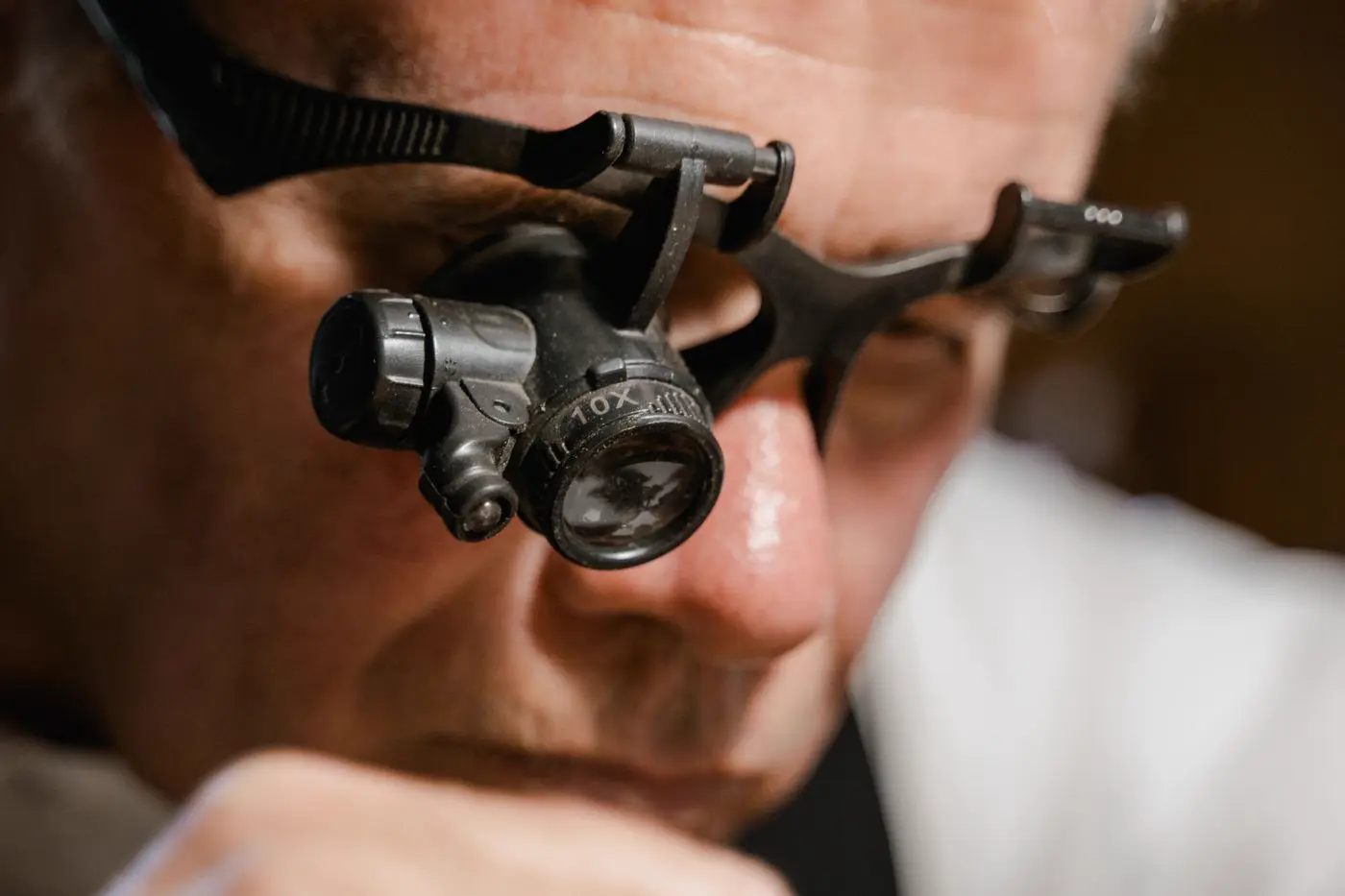
You cannot tell by eye, or with a loupe. Gem labs use specialist instruments to identify origin, and the report states it in words.
Most laboratory-grown stones carry a laser inscription on the girdle that says so. GIA girdles read Laboratory-Grown plus the report number. IGI inscriptions start with LG. Trade buyers also use screening devices to separate lab-grown stones from natural ones in parcels. A positive screen should go to a lab for confirmation.
The Australian Consumer Law bans misleading or deceptive conduct and false statements about what a product is. Selling a laboratory-grown diamond so that a buyer could think it is natural is a risk under that law.
The Jewellers Association of Australia (JAA) Code of Conduct sets out wording for these stones. It allows synthetic, lab-created, laboratory-created, laboratory-grown or lab-grown next to the stone name. The sale must make the stone's origin clear to the buyer. Industry terms are under review, and "synthetic" is gaining ground internationally.
The safe rule is simple: say laboratory-grown clearly, next to the word diamond, on every invoice, tag and listing. This is a trade summary, not legal advice.
Laboratory-grown and natural diamonds are priced differently, and the gap can move. Both markets change over time. Buyers should not assume a stone will resell for what it cost. Think about resale before you buy, and ask for the report and written disclosure so the next buyer can see exactly what the stone is.
Natural and laboratory-grown stones are listed and kept apart. We write "laboratory-grown diamond" in full. Read the disclosure policy, or browse natural diamonds and laboratory-grown diamonds.
Yes. It has the same crystal structure and hardness as a natural diamond. The difference is where it formed.
No. Labs use specialist instruments. Check the report and the girdle inscription.
You must not mislead buyers about what the stone is. The clear approach is to state laboratory-grown next to the word diamond on every invoice and listing. Ask a lawyer for advice on your own case.
From 1 October 2025, GIA gives a Premium or Standard assessment instead of colour and clarity grades. Older reports stay valid.
No one can promise either way. Prices for both change, and resale depends on the market at the time. Keep the report and disclosure with the stone.
Not listed? Ask us
Call our Sydney office: +61 410 058 909